Turn Leak History Into A Better Starting Point
Doney Park Commercial Roofing Contractor
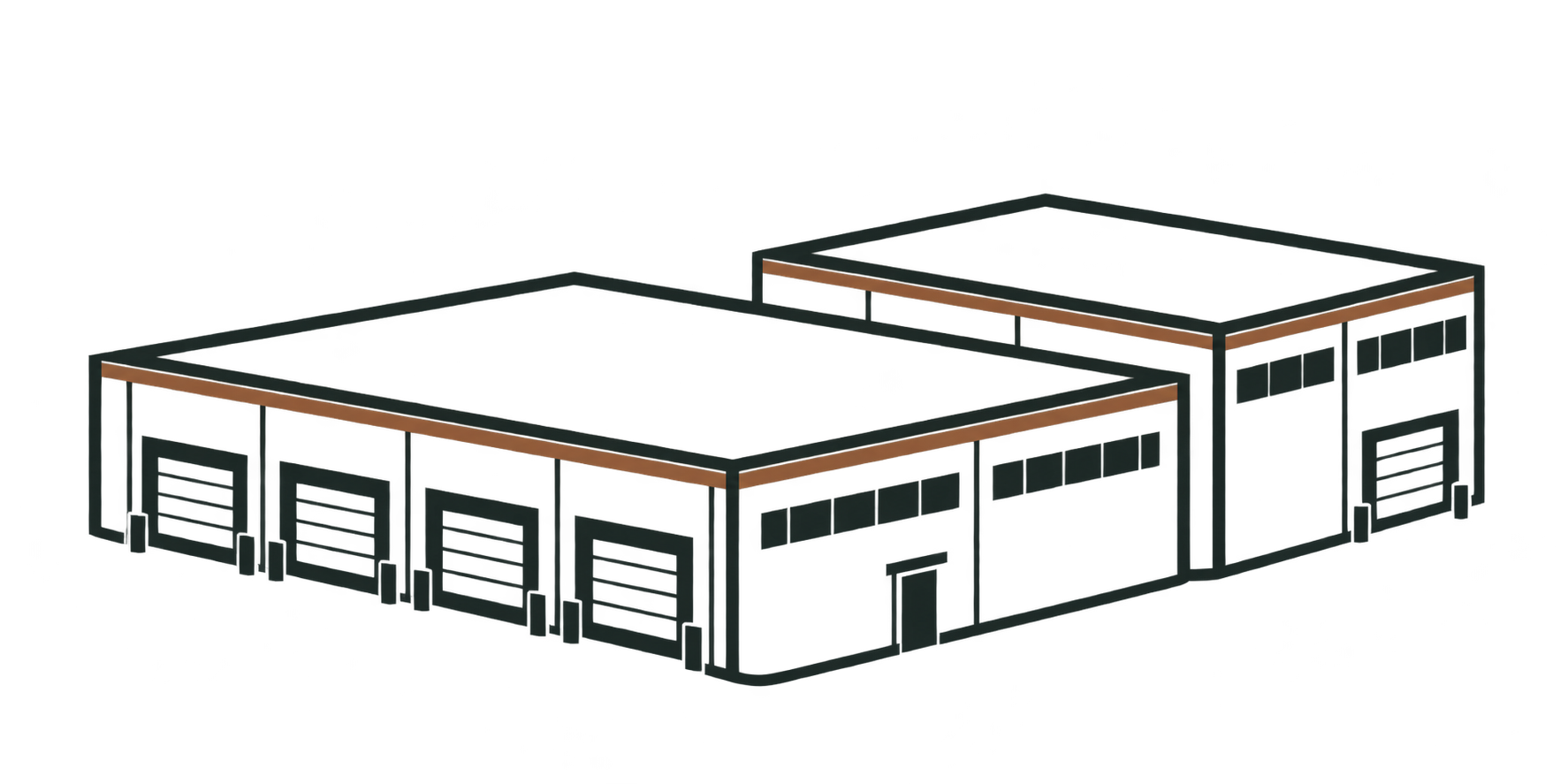
Commercial roofing in Doney Park for buildings with different roof sections, additions, or an incomplete repair history.
Assess Each Roof Section On Its Own Condition
We offer commercial roof repairs and replacement in Doney Park. A property’s roofs may differ in material, age, and past work, so we identify the section needing attention before recommending TPO, EPDM, or metal roofing.
Use building names or simple labels such as the front wing and rear addition when describing the concern. Match any invoices or drawings to those areas. This helps avoid applying a product record from one installation to an unrelated roof.
Separate Known Facts From Missing Information
An invoice can identify a membrane, but it does not show its current condition. We inspect the relevant area and explain whether additional checks are needed below the covering. If a roof section cannot be assessed during the visit, that limitation should remain clear in the recommendation.
The proposal should also describe the transition between roofs. Changes in height, material, or age can create details that need their own repair rather than simply new covering on the main surface.
Roofing Options For Your Building
We offer TPO and EPDM membrane roofing, commercial metal panel work and roofing for industrial facilities. If different sections need different systems, we explain the work for each. The estimate should also show how those sections connect, including any flashing or wall details that need attention along the transition.
Keep A Useful Record After The Project
Keep the final work description, system information, and any maintenance or coverage documents by roof section. Clear records help the next inspection distinguish a new defect from the return of an earlier problem.
Understand What Lies Beneath The Covering
Below the visible roof covering are layers and connections that can affect a repair or replacement. We review what is known about the insulation, attachment and supporting surface. If there are signs of moisture or deterioration beneath the covering, we explain what needs further investigation before recommending that those materials stay in place.
Records can help identify an earlier installation, but they may not show later additions or repairs. We connect the available information with the roof section being assessed. That is especially useful when a property has grown through several building projects.
Choose A System For Each Suitable Area
TPO and EPDM are membrane options for suitable low-slope roofs. Commercial metal systems have their own requirements for slope, support, attachment, and movement. The recommendation should explain how a proposed system fits the actual construction rather than presenting one material as universally best.
Where two systems meet, their connection needs attention. A transition between a lower addition and an older roof can involve wall or edge details beyond the main covering. Those connections should be included in the work description and coordinated with the adjoining roof.
Compare Repair, Recover, And Replacement
A repair addresses a defined defect. A recover installs a new system over suitable existing roofing. Replacement removes the identified existing materials before the new work is completed. These options have different requirements and should not be treated as interchangeable price levels.
If more than one option is being considered, ask what findings support each one. Existing layers, moisture, support, and project requirements affect whether materials can remain. The proposal should state what is retained and what must be removed so the comparison is meaningful.
Keep Records By Roof Section
Use consistent roof-section names in the assessment, proposal, and completion records. That helps everyone connect the approved work with the correct part of the building. It also makes a later leak report easier to compare with previous repairs.
Keep material information and care instructions with those records. If future equipment or an addition affects the roof, the existing system can then be identified without relying only on appearance. Clear documentation is particularly useful when responsibility for the property changes.
Frequently Asked Questions
Can You Review A Roof With Several Additions?
Yes. Identify the sections and the concern in each. The assessment and proposal should preserve those distinctions.
What If The Roof Records Contradict Each Other?
Provide them with any known dates and locations. The affected roof section needs verification rather than choosing one document by assumption.
Does A Newer Roof Section Mean No Repairs Are Needed?
No. Current condition and specific defects matter as well as age. Each section should be assessed for the concern reported.
Can Different Systems Be Included In One Project?
Potentially. Each needs a suitable specification and properly designed connections to the adjoining roof.
Which Documents Are Useful After Completion?
Retain the areas worked on, installed materials, repair details, maintenance guidance, and any written coverage and claim contacts.
Should Roof Additions Be Listed Separately In The Quote?
Yes, when their materials or required work differ. Separate descriptions help you understand removal, repairs, and new roofing for each area. They also make later maintenance records more useful by connecting the completed work with the correct part of the building.
Talk To Us About Your Commercial Roof
Call (928) 438-8009 to discuss your building and arrange the next step.