Rural shops and stores in Parks sit under ponderosa pines along I-40, between Bellemont and Williams. As your Parks commercial roofing contractor, we repair, replace, and install their roofs, starting with the drains.
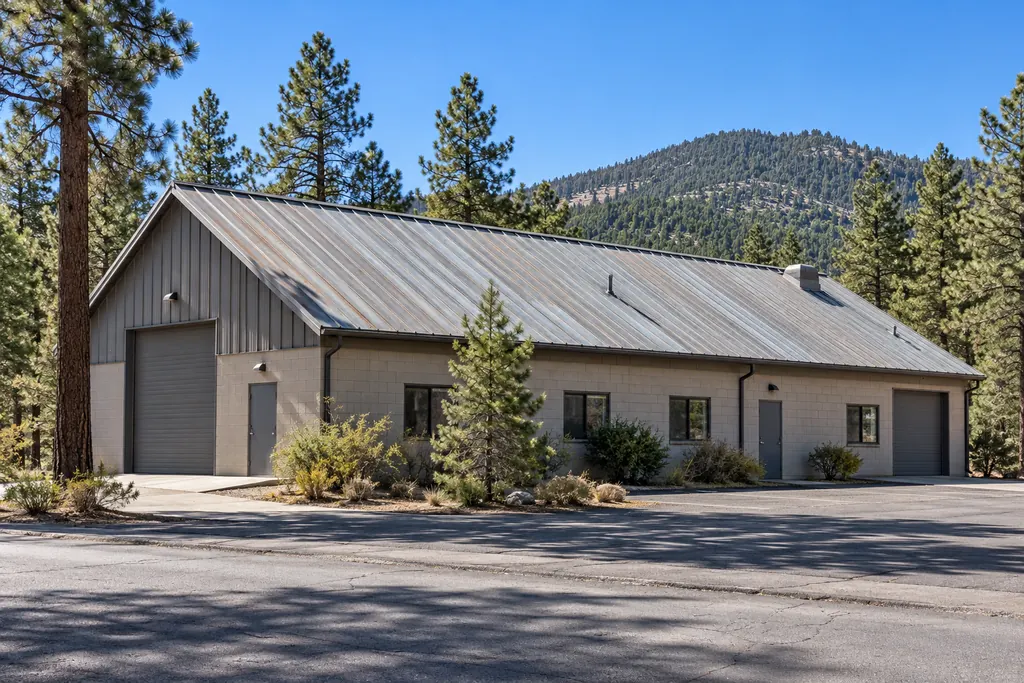
Parks is a stretch of I-40 west of Flagstaff, between Bellemont and Williams, much of it ponderosa pine forest. Its commercial buildings are mostly rural shops, stores, and service buildings, many with exposed-fastener metal roofs.
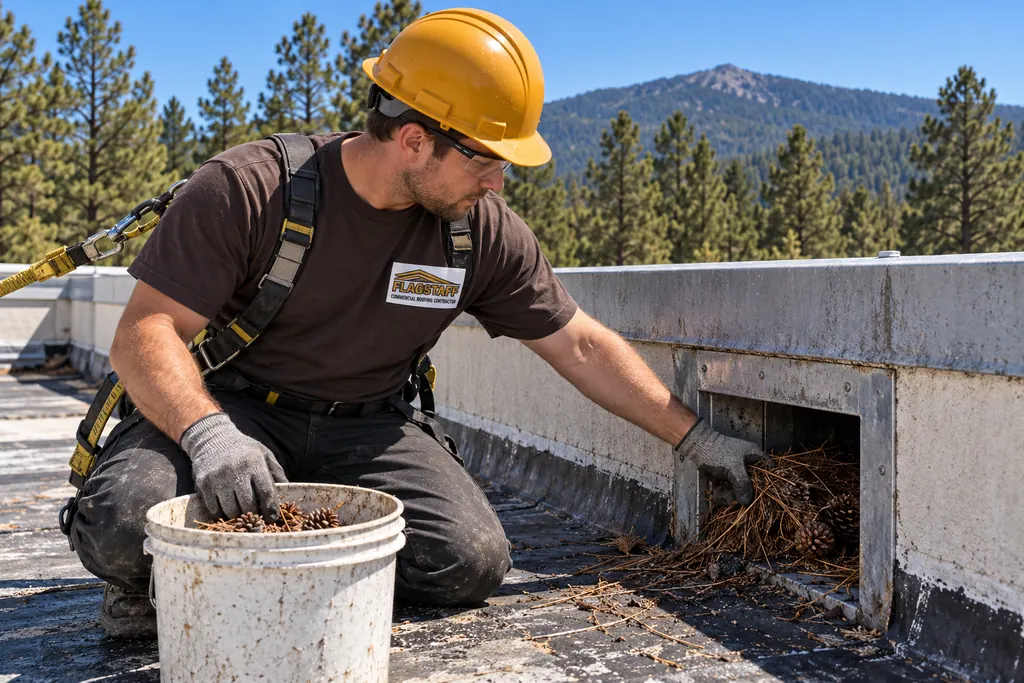
Needles and cones collect wherever water is meant to leave the roof. Once a drain, scupper, or gutter fills, water backs up onto laps and seams, so we clear and test every outlet before judging anything else.
Needles packed into drains, scuppers, and gutters
Exposed fasteners with worn or cracked washers
Rust at panel laps where wet debris sits
Cones and limbs that puncture low-slope membrane
Leak Signs
Clogged Outlets Behind Inside Leaks
On a wooded lot, many leaks start where debris stops the water. Here is what owners notice indoors and what we find above it.
Inside The BuildingOn The Roof
Inside
Drips After Every Storm
Ceilings stain or drip during summer storms, then dry out until the next heavy rain comes through.
On the roof
A Drain Matted With Needles
Pine needles mat over the strainer and slow the drain to a trickle. Water rises past the flashing, so we clear it, reset the strainer, and test flow.
Inside
Overflow Down The Wall
Rain sheets over the gutter edge and runs down the wall, staining siding and soaking the entry.
On the roof
Gutters And Scuppers Filled In
Cones and needles fill the gutter or scupper box until it spills. Clearing it and adding guards or larger outlets keeps the water moving off the roof.
Inside
Rust Spots In A Line
Brown spots appear on a ceiling or rafter in neat rows, lined up with the roof panels above.
On the roof
Worn Fastener Washers
Exposed-fastener panels rely on rubber washers that crack in strong sun and cold. We replace screws and washers and reseal the panel laps.
Inside
A Musty Back Room
Storage rooms smell damp, and the insulation above sags or stains with no drip anyone can find.
On the roof
Water Held Back By Debris
Needle mats on a low-slope section dam water against the laps for days. Wet debris also holds moisture on metal, which speeds rust at the seams.
Inside
A Leak Near A Tall Pine
Drips show up after a windstorm on the side of the building closest to a tall pine.
On the roof
Punctures From Falling Limbs
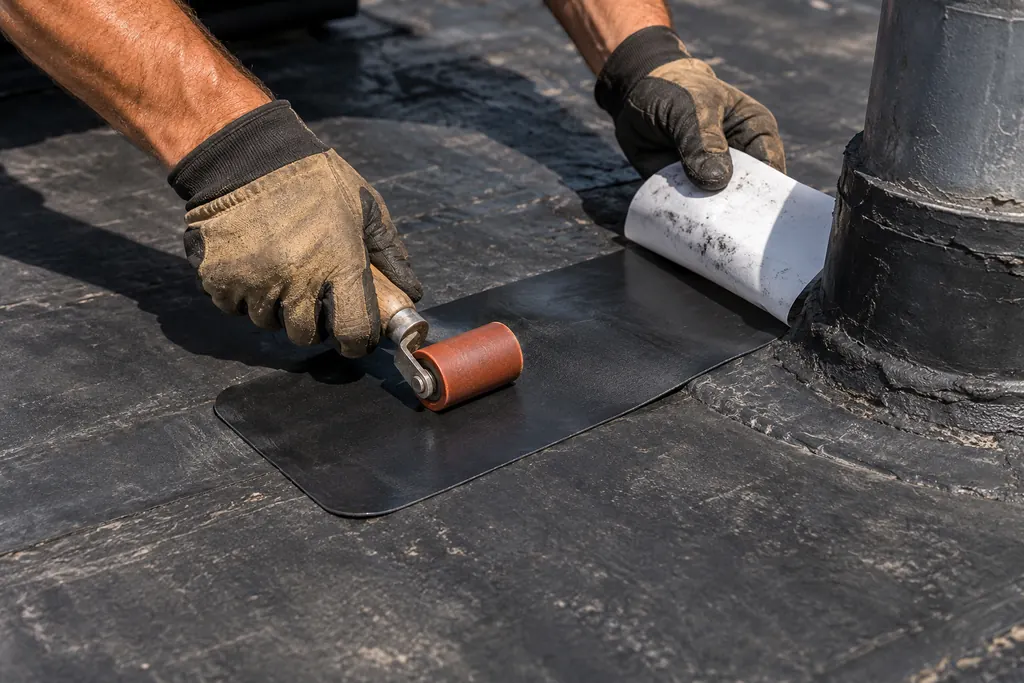
Branches and cones dropped in wind punch holes in EPDM and dent metal panels. We patch punctures with cover tape and replace damaged sheets.
Who Gains
Gains From A New Roof In Parks
On a wooded lot in Parks, a new roof moves water and pine needles off fast, which helps the owner, the person maintaining the shop, and everyone inside.
Owner
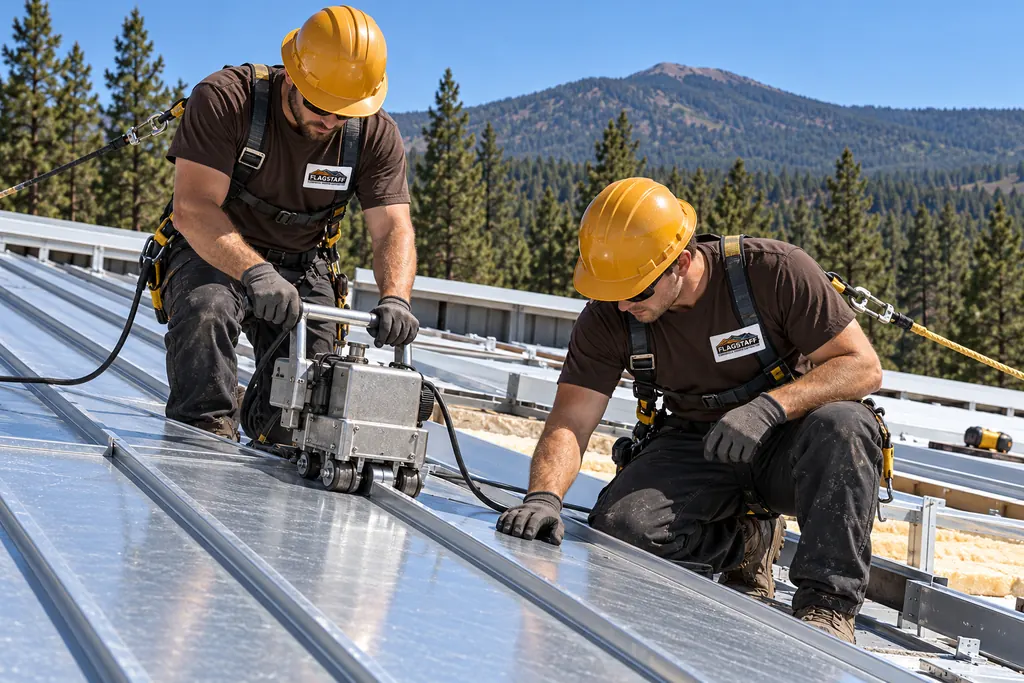
Standing-seam panels clip under each seam, which removes hundreds of exposed screws and the rubber washers that crack in sun and cold.
Coated cut edges and clean laps slow the corrosion that shortens a metal roof's service life of 40 years or more.
Facility Manager
Larger scuppers and guarded drain strainers keep pine needles from closing the outlets between the fall and spring cleanings.
Wider gutters hold a season of cones and needles without overflowing, so cleanup on the roof becomes a scheduled task rather than an emergency.
Thicker EPDM on low-slope additions shrugs off falling cones and twigs, and the leak log shows fewer membrane punctures to patch.
Tenants And Staff
Fresh screws with new washers and sealed laps on ribbed panels close the paths storm water follows onto workbenches inside.
Shoppers and staff stay dry at the entrance when gutters above the door carry roof water away instead of spilling it.
Roof Systems
Roof Systems We Install In Parks
Rural buildings here often pair a metal roof with a low-slope add-on. We install both and size the outlets for the trees around the lot.
Rural stores and service shops with pitched roofs. We replace worn exposed-fastener panels or switch to standing seam, with snow guards over doors and walkways.
Flat additions, porch roofs, and lean-tos under the trees. EPDM handles deep cold well, and membrane punctures from cones or limbs patch cleanly with cover tape.
Roof Trouble
Gutters Full Of Pine Needles?
Call and tell us where water spills over or drips inside after a storm. We will start the inspection at those outlets.
Work on a wooded lot starts with the outlets and ends with them. This is the order we follow on Parks roofs.
1
Inspect Your Roof
We clear every drain, scupper, and gutter first, then run water to test flow. With the outlets open, we check fasteners, laps, panels, and membrane for damage from debris and weather.
2
Pick Repair Or Replace
Fastener condition, rust at the laps, and how often water has backed up set the scope. Coconino County Building and Safety handles permits, and we confirm its requirements for the parcel.
3
Work One Side At A Time
Crews open one roof side or section, replace panels or membrane, and fit larger outlets and guards where needles collect. Each section is closed before afternoon storms build.
4
Test The Water Path
Finally we flood-test the drains and gutters with you, check every new fastener row, and note which trees drop the most debris onto the roof.
Drifted parapets and buried drains far south on I-17.
Common Questions
Debris, Fasteners, And Parks Roof Questions
Plain answers to what Parks owners ask about roof drainage, metal panels, and keeping a rural building dry.
What maintenance keeps a commercial roof healthy through Flagstaff winters?
Plan on two inspections a year, in spring and fall, plus a check after any major storm. Fall readies the roof for snow: clear drains, scuppers, and gutters, reseal flashings, and make sure snow guards are tight. After big snows, look for ponding, sagging, and blocked drains, and keep metal shovels off membranes.
Spring is for freeze-thaw damage, open seams, and edge uplift. Before monsoon, retest drain flow and fasten loose edge metal. A leak and repair log shows patterns early.
How often should drains and gutters be cleared on a wooded lot?
At least each fall and spring, and again after a windstorm drops needles and cones.
Lots with tall pines close to the building often need a midsummer cleaning before monsoon storms too. Strainer guards stretch the time between cleanings, though needle mats still form on top of them.
Who handles permits for roof work in Parks?
Permits come from Coconino County Building and Safety, because Parks lies outside any incorporated city.
Commercial projects start with a meeting with County building staff before the application. Rules change, so we confirm them for your parcel first.
Should exposed screws on a metal roof be replaced?
Yes, once washers crack or screws back out. Sun and cold wear the rubber washer down long before the panel fails.
New screws, sometimes one size larger to grip fresh metal, plus resealed laps put the roof back in shape.
Is standing seam worth it over exposed-fastener panels?
It depends on how long you plan to keep the building and how much upkeep you want.
Standing seam hides its fasteners, so there are far fewer screws to maintain. Exposed-fastener panels cost less up front and work well when the screws are checked on schedule.
Can pine needles really cause a roof leak?
Yes. Needles that pack into a drain, scupper, or gutter hold water on the roof, and that water finds the nearest weak lap or flashing.
Wet needle mats also keep metal damp, which speeds rust at seams and panel ends.
When does a damaged low-slope section need replacing?
Replace it when the insulation underneath is wet or patches keep failing in new spots.
A few punctures from cones or limbs patch cleanly. Widespread cracking, edge shrinkage, open seams, or soft spots underfoot call for replacement, a good time to add slope and larger outlets.
Next Step
Get Started With A Parks Commercial Roofing Contractor
Tell us which outlets spill over, what the roof panels are made of, and how close the pines grow. We will plan the visit around that.